Lighting Design
Technical planning for outdoor illumination systems
Design Methodology
Our lighting design process begins with site analysis to understand existing conditions, architectural features, and functional requirements. We evaluate light levels, shadow patterns, and visual hierarchy to develop comprehensive illumination plans.
Design documentation includes fixture placement diagrams, beam angle specifications, color temperature selections, and control system integration. Each element is specified to achieve precise visual and functional outcomes.
Fixture Selection
We specify LED fixtures based on performance characteristics including lumen output, beam spread, color rendering index, and energy efficiency. Fixture selection considers environmental factors such as weather resistance, temperature tolerance, and maintenance accessibility.
Technical specifications include mounting heights, aiming angles, and spacing calculations to ensure uniform coverage and eliminate dark spots or over-illumination.
Light Distribution
Light distribution planning involves calculating illuminance levels across different areas of the landscape. We use photometric data to predict light patterns and adjust fixture placement accordingly.
Considerations include task lighting for pathways, accent lighting for architectural features, and ambient lighting for general visibility. Each zone receives appropriate light levels based on its function and visual importance.
Control Integration
Lighting control systems enable automated operation, scheduling, and dimming capabilities. We design control sequences that coordinate multiple zones and respond to time-based or sensor-triggered events.
Integration with irrigation systems and other landscape technologies allows for unified operation and energy optimization. Control interfaces provide intuitive access to system functions while maintaining technical precision.
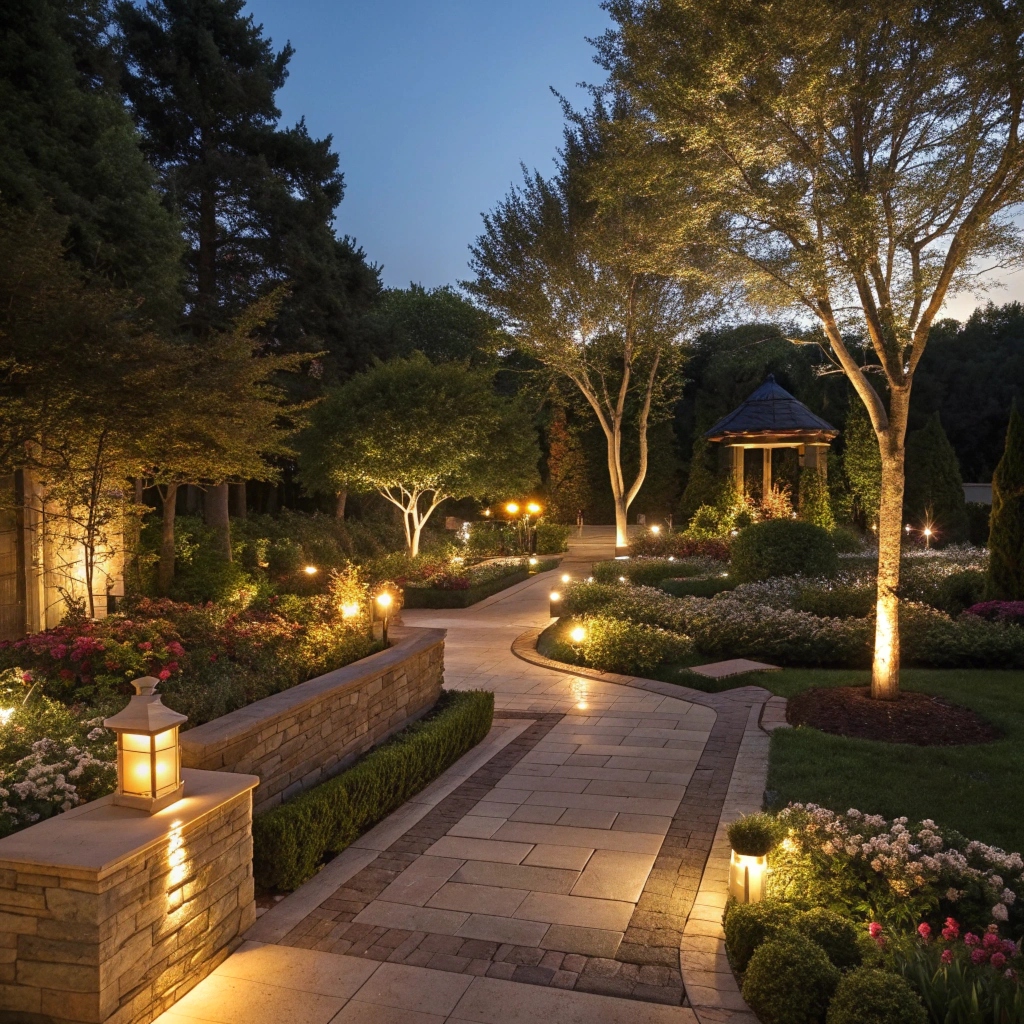
Lighting Techniques
Moonlighting
Downward illumination from elevated positions creates natural moonlit effects for ambient landscape lighting.
Uplighting
Ground-level fixtures direct light upward to highlight architectural features and create dramatic silhouettes.
Grazing
Close placement of fixtures creates texture and depth by casting shadows across surfaces.
Silhouetting
Backlighting techniques create striking silhouettes that define landscape elements against dark backgrounds.
Energy Efficiency
All lighting designs prioritize energy efficiency through LED technology, intelligent control systems, and optimized fixture placement. We calculate energy consumption and provide projections for operational costs.
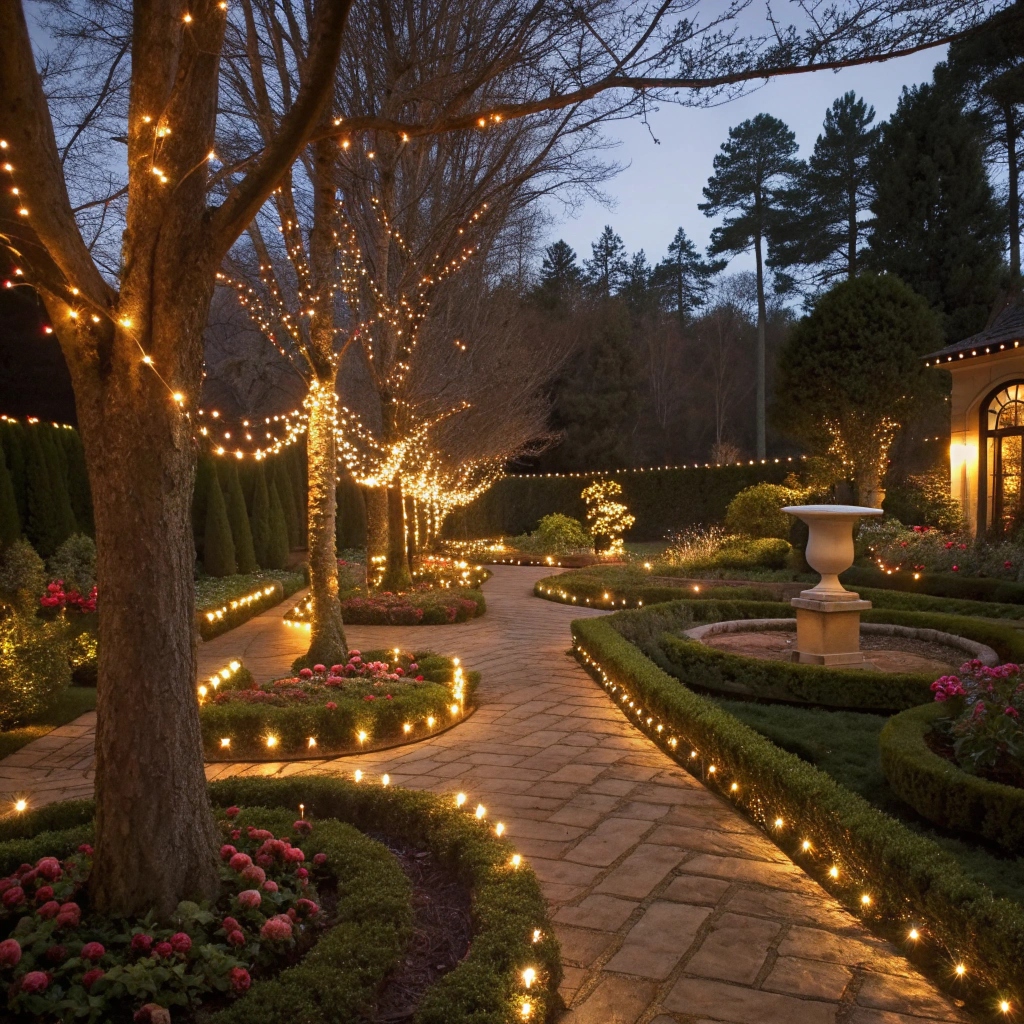
Our energy-efficient designs can reduce power consumption by up to 80% compared to traditional incandescent systems while providing superior illumination quality and longevity.
Technical Specifications
Our lighting designs include detailed technical documentation covering fixture specifications, wiring diagrams, power requirements, and installation guidelines.
Photometric Analysis
Precise light distribution calculations ensure optimal illumination levels and eliminate dark spots or over-illumination.
Code Compliance
All designs adhere to relevant electrical codes and safety standards, with full documentation for permit applications.
Wiring Diagrams
Detailed installation documentation includes circuit layouts, transformer placement, and connection specifications.